
Most San Diego property managers know their fire systems need inspecting. They also know that scheduling the inspection, coordinating access, and dealing with any findings takes time and money they would rather spend elsewhere. So the inspection slips a month. Then three months. Then a year.
And then the fire department shows up.
The cost of skipping fire safety inspections is not just a fine – though the fines are real. It is the cascade of consequences that follow a failed inspection or, worse, a fire event in a building with lapsed protection systems.
What a Missed Inspection Actually Costs
Start with the direct costs. The San Diego County Fire Marshal program charges fees for annual inspections and re-inspections. As of 2025, the county established hourly rates for both initial inspections and follow-ups. If you fail an inspection and require a re-inspection, you are paying twice – once for the original visit and again for the return trip.
But the real cost is not the inspection fee. It is what happens when the inspector finds problems that have compounded because they were not caught during routine maintenance.
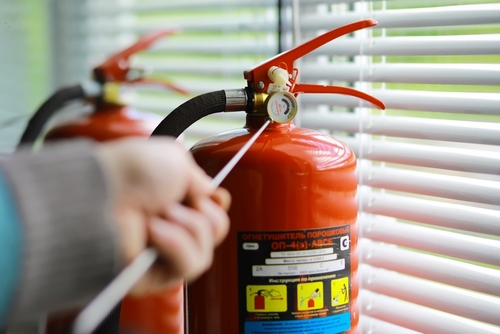
A fire alarm panel that needed a minor repair six months ago may now need a full replacement. A suppression system cylinder that was slightly low on pressure may have fully discharged and requires a complete recharge and recertification. A fire extinguisher that needed an annual service tag may have expired beyond its hydrostatic test date and now needs to be replaced entirely.
Small, manageable maintenance items become expensive emergency repairs when they are ignored.
The Insurance Problem
Insurance carriers do not just recommend fire safety compliance – they require it. If your fire alarm system, suppression equipment, or extinguishers are not current on inspections and your building experiences a fire, your insurance claim may be denied or significantly reduced.
That is not a scare tactic. It is standard language in most commercial property insurance policies. Carriers verify compliance with NFPA standards and local fire codes as a condition of coverage. A lapsed inspection record is one of the fastest ways to give an adjuster grounds to dispute your claim.
Liability Exposure
Beyond insurance, there is the legal liability. If a fire injures or kills someone in your building and your fire protection systems were not maintained to code, you face personal and corporate liability that no insurance policy will fully cover.
The California Fire Code and NFPA standards exist specifically to prevent this scenario. Compliance is not just a box to check – it is the documented evidence that you took reasonable steps to protect the people in your building.
What a Proactive Inspection Program Looks Like
The alternative to scrambling is simple: set up a scheduled inspection and preventative maintenance program with a licensed contractor and let it run.
A comprehensive program includes semi-annual or annual fire alarm testing per NFPA 72 requirements, semi-annual kitchen hood suppression service, annual fire extinguisher maintenance with six-year and twelve-year service milestones, quarterly or annual suppression system inspections depending on system type, and documentation filed through The Compliance Engine for properties within the city of San Diego.
When all of this runs on schedule, inspections become routine confirmations rather than unpleasant surprises. Your contractor catches issues early when they are cheap to fix. Your documentation stays current. And when the fire marshal walks through your building, you hand them a binder of records instead of excuses.
Take the First Step
If you have fallen behind on inspections or are not sure where your building stands, a fire protection assessment gives you a clear picture of what is current, what is overdue, and what it will take to get back on track. That conversation costs far less than the alternative.





Commercial Property ManagerSan Diego, CA